Pregnancy, Birth, and the Quiet After
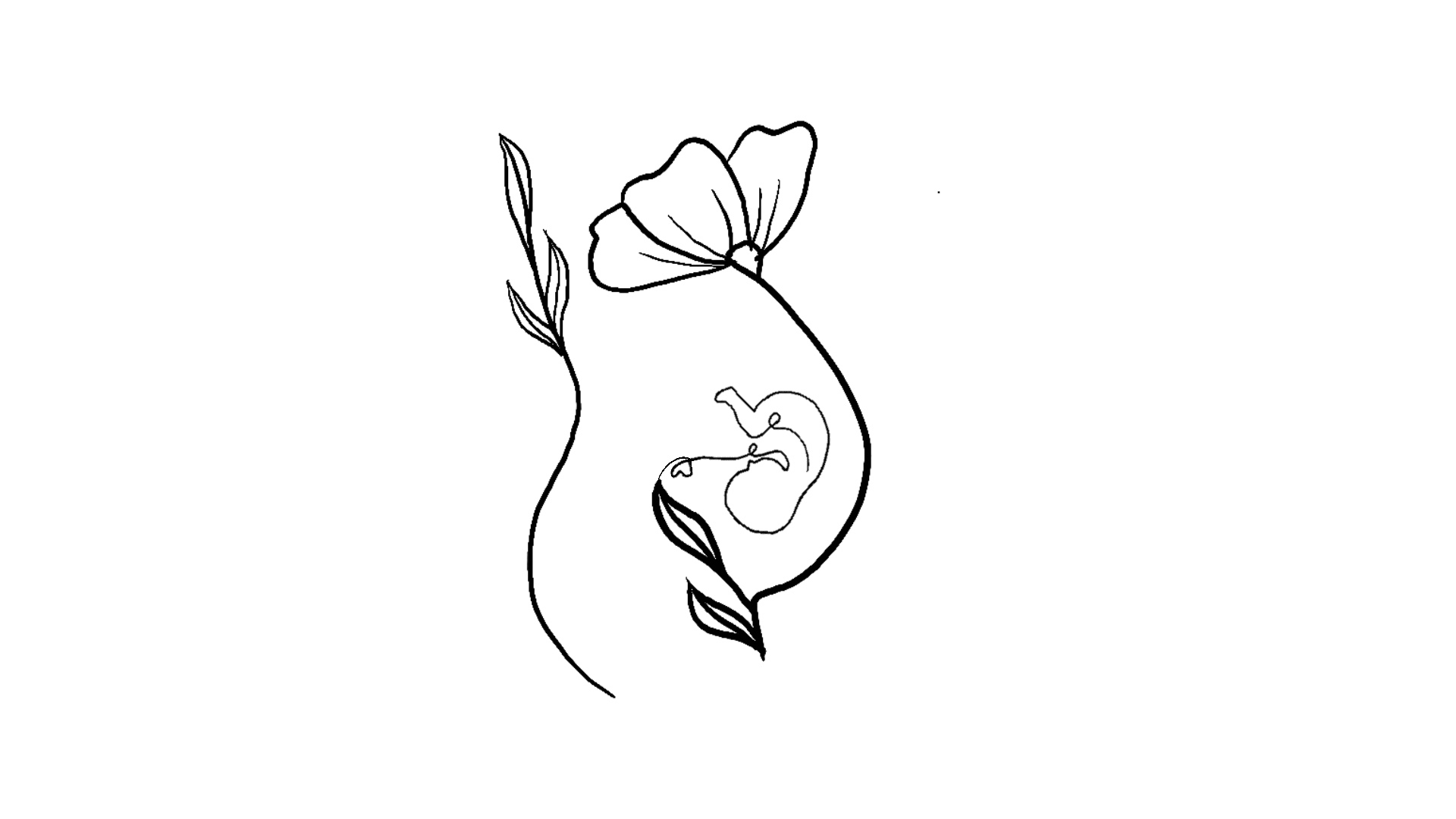
I said the first piece was about him. This one is about the road that led me there.
I recently met someone who just found out that she’s pregnant, and she asked me a few questions about pregnancy, birth, and what to expect.
As I answered her, I realized something: I had so many things to say.
Not because I am an expert. Far from it.
But because pregnancy and birth are such strange experiences. You read books, watch videos, ask questions, make plans, imagine what it will be like — and then your experience comes along and does whatever it wants.
So I thought I would write about mine. Not as a guide. Not as “this is what pregnancy is like.”
Just my experience of becoming a mother.
Pregnancy
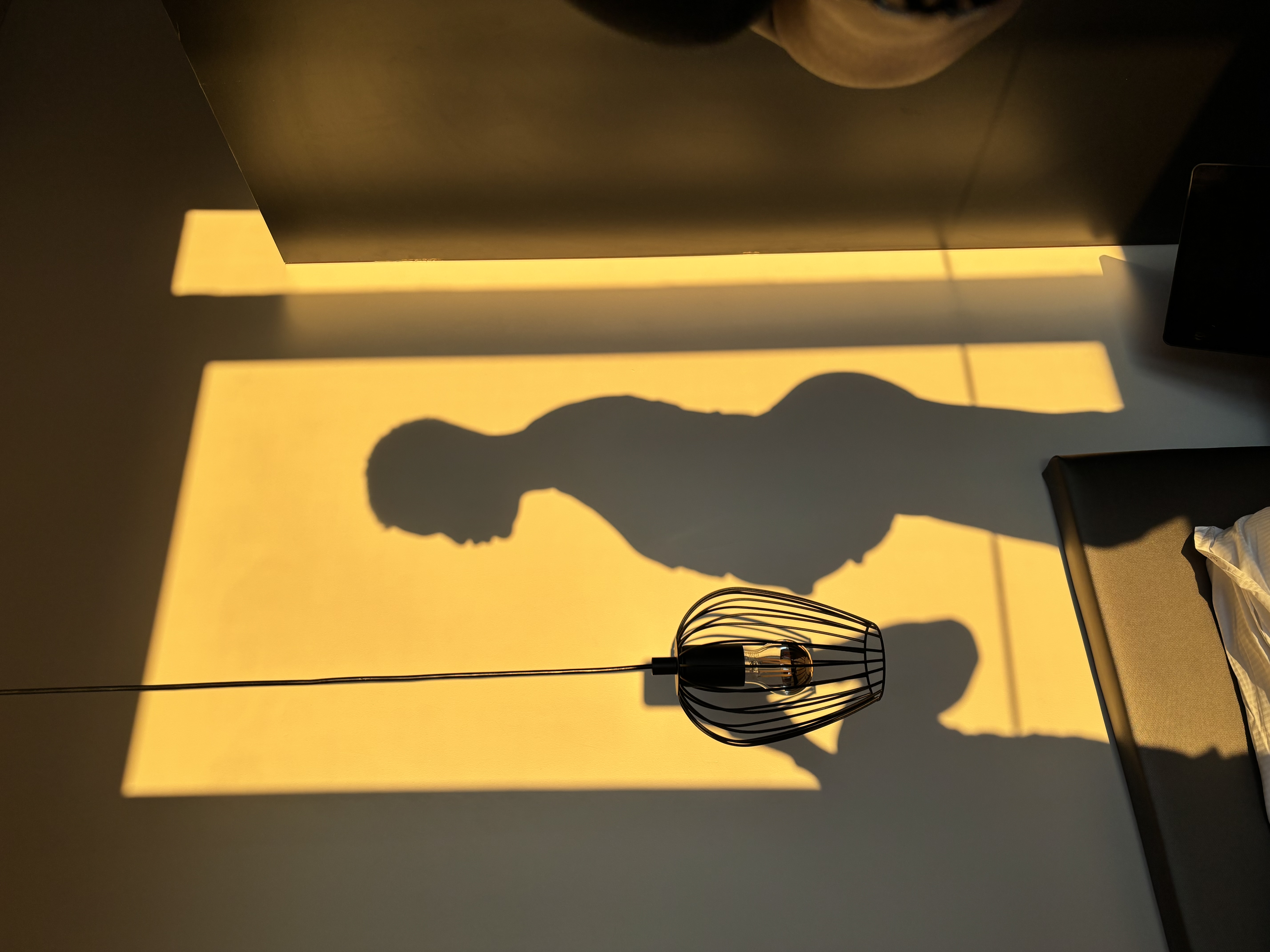
When I look back now, the beginning still makes me laugh. We had been married for a little over two years and had started talking about having a baby.
“Let’s think about having a baby next year,” I said.
Two weeks later, I was pregnant. Okay then.
My pregnancy was not particularly glamorous. It was exciting, yes, but it also came with a lot of uncertainty.
There was the pregnancy itself, but there was also everything else happening around it — work, life, grief, plans, a layoff at my job, uncertainty about the future.
For the first 48 hours after three tests that confirmed I was pregnant, I was mute. Didn’t talk or even chat. I needed time to align my body with what was about to happen. After a couple of days, I was ready…..or at least I thought I was.
I remember telling my sister and a few close friends, and slowly, the secret became less of a secret.
And then came the physical reality of pregnancy.
Morning sickness.
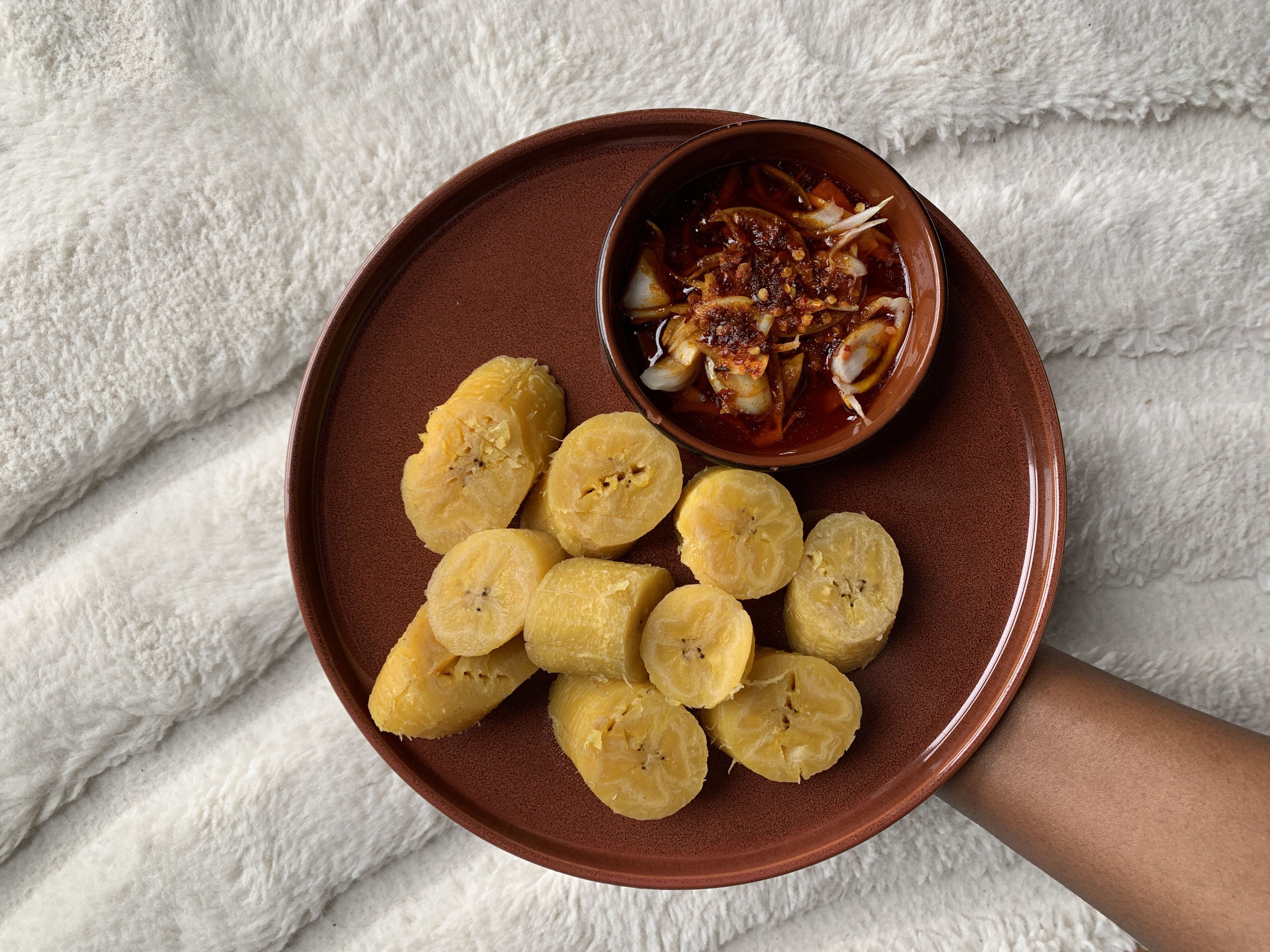
Food aversions.
The tiredness.
The growing belly.
Sometimes I just felt tired.
Sometimes I was anxious.
Sometimes I wondered whether I was actually ready for this.
But somewhere along the way, something shifted.
I realized I could actually do this.
The strange experience of having your body become public property because everyone suddenly has an opinion about what you should eat, how you should sleep, how big or small your belly is, and what your baby is supposedly doing in there.
I also became a student.
I read. I watched videos. I asked questions. I tried to understand what was happening to my body and what was coming next.
My midwife became one of the people who helped me make sense of everything. I also found a women's gym and, with it, a little community of women going through their own versions of this strange experience.
There was something comforting about being surrounded by women who understood what it meant to carry a human.
With every woman putting to bed, I felt encouraged and equipped to take on this adventure.
I was becoming a mother before I had even met my son.
And then, at 38 weeks, everything changed.
Birth
In my 38th week, which was on a Monday, I went to the swimming pool. I wasn’t able to train at the gym anymore, so I’d signed up for pregnancy swimming lessons. I thought being in the water would feel better, or at least I got to take a walk outside once a week with my growing belly.
On Wednesday, I met a friend for brunch. And on Thursday morning, David and I washed baby's clothes and dried them on the drying rack.
After washing, I remember going to my 38-week appointment, thinking it was just another appointment.
It wasn't.
There were concerns about my blood pressure and possible preeclampsia. My midwife thought it wasn’t ok and called the hospital to tell them I was coming in. Then she told me to leave her office and go straight to the hospital.
I walked into the hospital myself. They ran some tests and suggested I go lay in a bed. They gave me some medicine to calm the headache, and they set me up to the tocodynamometer and the cardiotocograph (CTG) machine, to track baby's heart rate and to monitor the length of my contractions.
I remember thinking, Surely, this cannot be that serious.
After waiting for hours and hoping that m,y blood presuure would drop, the doctor came back with news - it was preeclampsia and I had to be induced. That was the only way out. It didn’t make any sense. I wasn’t feeling great but it couldnt be that bad.
And then I was told:
“Yes, you do look healthy and maybe even fit, but your organs aren't working as they should, and things could get ugly in seconds.”
That sentence has stayed with me.
Because pregnancy had taught me that you can look completely fine on the outside while your body is doing something entirely different on the inside.
Suddenly, I was being admitted. And then someone mentioned an ambulance.
An ambulance? Why did I need an ambulance? I could call my friends to come pick me up.
Apparently, that was not an option. So off I went.
I was taken to Zaandam because there wasn’t a bed available in Amsterdam, and suddenly the birth I had spent months imagining became a very real thing that was about to happen.
I had a birth plan. Of course I did.
I had imagined moving around, using a pregnancy ball, listening to my playlist, using essential oils, getting into the bathtub, and generally creating this calm, beautiful environment in which I would bring my baby into the world.
And now I had to be tied to machines throughout the whole experience?
Well. Okay.
The plan was changing.
As everything unravelled, I was terrified. I also felt guilty that my body wasn't able to provide my baby the safe space it needed to grow. The doctor noticed the look on my face and told me not to beat myself up because this happens a lot often than not.
Most importantly, I felt like I had lost control.
Eventually, I had to stop thinking about the plan. I made peace with the state of things and knew I had to stay strong and relax because I had to be.
Thursday, 10 pm
The ambulance dropped me off at the hospital, and the midwife had to insert the balloon catheter to help induce labor. After the procedure, I returned to my room and rested for the night.
Friday
Still taking medication for high blood pressure, I was in bed, tied to fetal heart monitors, and waiting for the first signs of labor.
By evening, I felt contractions. By midnight, it became intense.
Saturday
Water broke at 3 a.m. The doctor came in and checked to see how dilated I was, and after that, I was wheeled to the birthing room.
I remember reading somewhere about what happens during labor and how the baby moves with every contraction. Imagining that process helped me work with my body and the baby through every contraction. But most importantly, it helped me breathe.
I just had to breathe.
At some point, I remember thinking:
“I just gotta breathe through it.”
And that's what I did.
Breathe through it.
One contraction at a time.
One moment at a time.
One prayer at a time.
David was there beside me, and eventually the hours blurred into one long stretch of pain, exhaustion, waiting, and trying to understand what my body was doing.
And suddenly, everything became very real.
I’d just whispered to Dave “I am tired and might need painkillers”. We had agreed that I would'nt get an epidural because of the side and after effects.
At that point, a nurse came in to check on me, she took one look at me and said something that made me realize things were changing.
“Your body language is different, and I think the baby is ready to meet you.”
Gospel music in the background, deep inhale and exhale; baby was ready.
And apparently, so was my body.
The nurse called in my doctor. The doctor couldn't believe it because he had checked at around 9 am and thought we would be here for a while, but then just past 11 am, it was time to push. I had dilated from 4cm to 10cm in less than two hours.
The pushing came, and I remember thinking I had absolutely nothing left.
But somehow, I did.
And then, four minutes later, baby was out.
Four minutes.
After all those months of waiting.
All those weeks of wondering.
All those hours of pain. And then there he was - Asher.
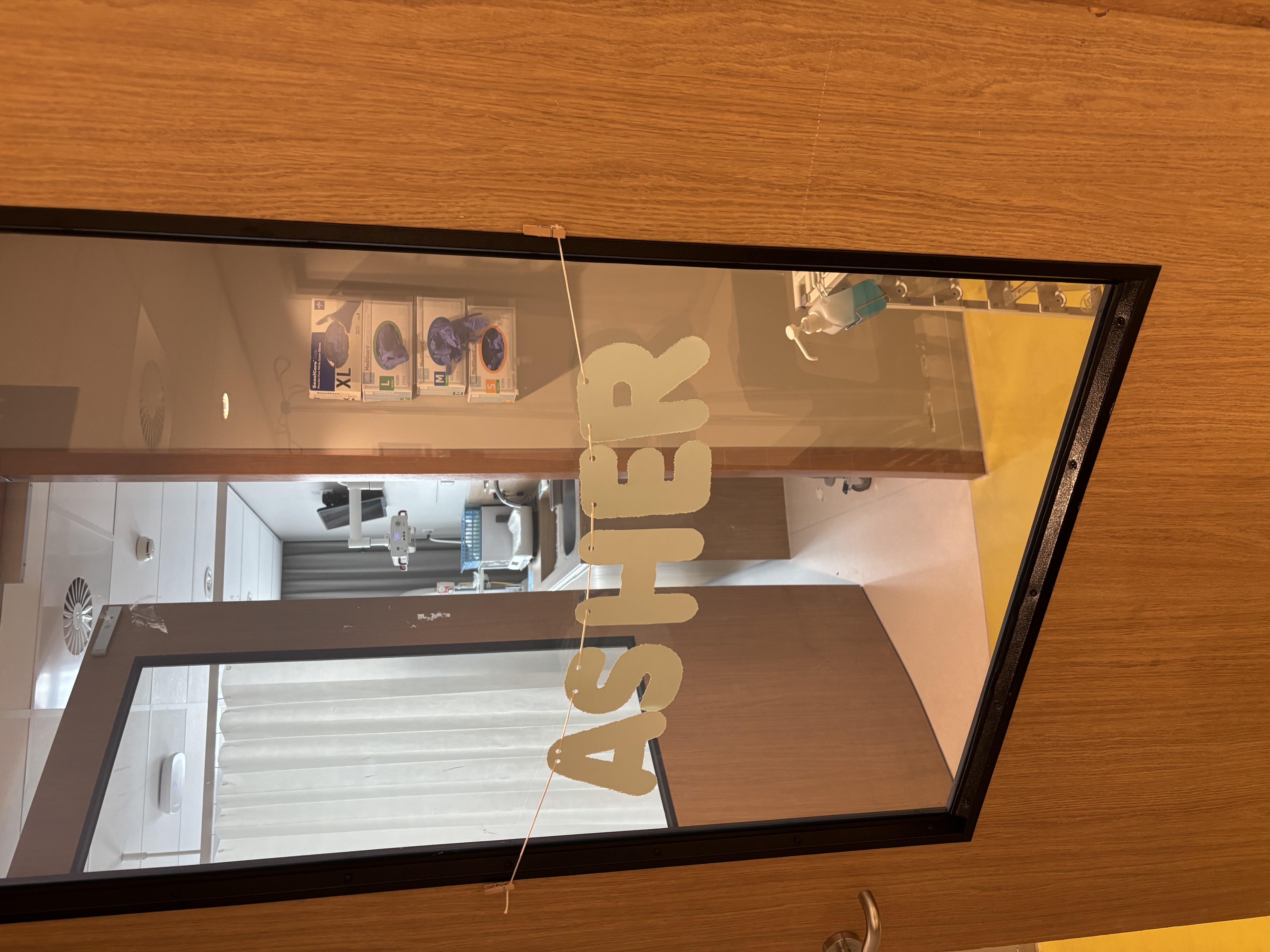
I lay there watching this new human crawl around my chest, making his way to his first meal.
The miracle of birthing feels wild to me even after experiencing it.
I felt so proud. Yet humble. And grateful. I had done it. We had done it.
And the little human I had spent nine months imagining was suddenly lying on my chest.
The Quiet After
I think I assumed that once the baby was out, the hardest part was over.
Now, the scariest parts were over — or so I thought.
There were tears and accompanying stitches.
There was weakness.
There was the strange experience of getting up and realizing that my body had just done something enormous and was now expected to recover while also keeping another human alive.
I remember taking a shower and feeling completely exhausted. I could barely even move. I just sat there while the water washed me clean. It’s easily one of my favorite baths because I needed it more than anything at the time. Also, I couldn't believe what had just happened. I just birthed a baby without any pain relief - pure vibes, strength, and grace.
And then there was breastfeeding.
Nobody can really explain to you what it feels like to have a tiny human suddenly depend on your body for everything.
Food, Comfort, Warmth, Sleep, Safety.
I was learning how to feed him while also learning how to be his mother.
And then there was that first night.
I had finally laid down to rest while Asher slept in his tiny bed beside me.
Then suddenly, he started crying.
I froze.
I did not know what to do.
So I pressed the bell for the nurse.
And in the few minutes before she came in, I started crying too.
When she arrived, she asked gently:
“What's wrong?”
I replied:
“He started crying, and I don't know what to do.”
She smiled, picked him up, then handed him back to me. And she said:
“When he cries, feed him, change his diaper, hold him to your chest, walk around, sing, dance. Right now, all he needs is his mum.” I think back to that moment now and laugh.
Because it sounds so obvious now.
But at the time, I was terrified.
I genuinely thought I couldn't do it.
And maybe that was the beginning of me learning something I could not have learned from any book or video: I didn't need to know everything. I just needed to learn my baby.
There is something strange about the quiet after birth. Everyone celebrates the baby. Everyone wants to know how the baby is doing. Everyone asks to see the baby. And you are happy. Of course you are.
But somewhere in the middle of all of that, you realize that you have changed too.
My body had changed. My priorities had changed. My relationship with time had changed. Even my idea of what it meant to be strong had changed. I had spent so much of pregnancy preparing for birth. I didn't realize that birth was only the beginning. The real becoming happened afterwards.
In the tired mornings. In the milk-stained clothes. In the middle-of-the-night feeds. In learning the difference between one cry and another. In figuring out how to soothe him. In figuring out how to soothe myself. In accepting that some days I would feel like I was doing a great job and other days I would wonder what on earth I was doing.
And somewhere in all of that, I became a mother. Not in one dramatic moment. Not when the pregnancy test turned positive. Not even when Asher was placed on my chest.
But slowly.
Quietly.
One ordinary moment at a time.
I am a changed human because of this experience and still on a journey to fully understand who, or what, this next version of me is.
For now, I have named her Obiagu 2.0.
It's a whole upgrade.
And I am excited to see who this updated woman becomes.
Total comments (--)
Let others know what you think


Lorem ipsum dolor sit amet, consectetur adipiscing elit. Suspendisse varius enim in eros elementum tristique. Duis cursus, mi quis viverra ornare, eros dolor interdum nulla, ut commodo diam libero vitae erat. Aenean faucibus nibh et justo cursus id rutrum lorem imperdiet. Nunc ut sem vitae risus tristique posuere.